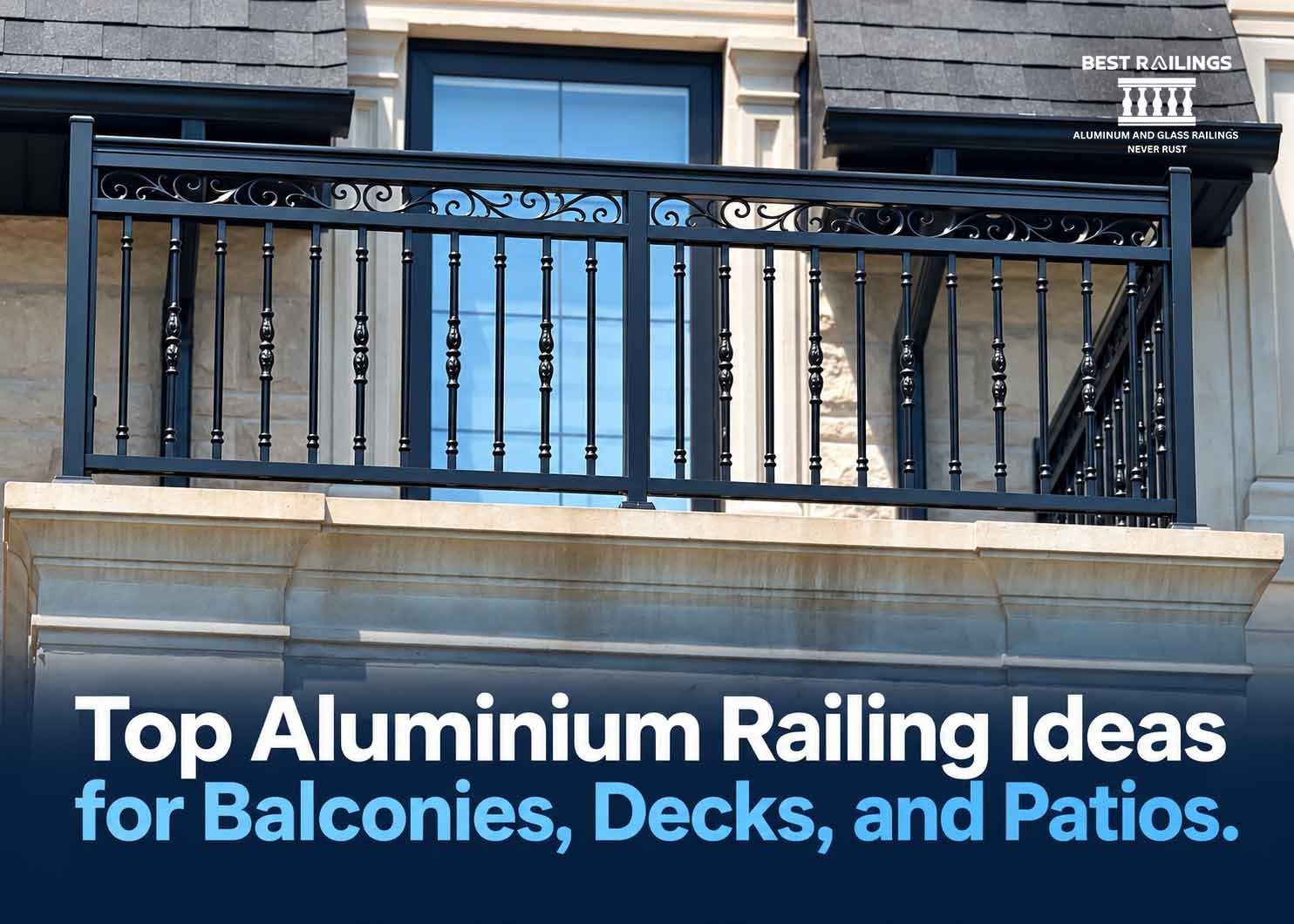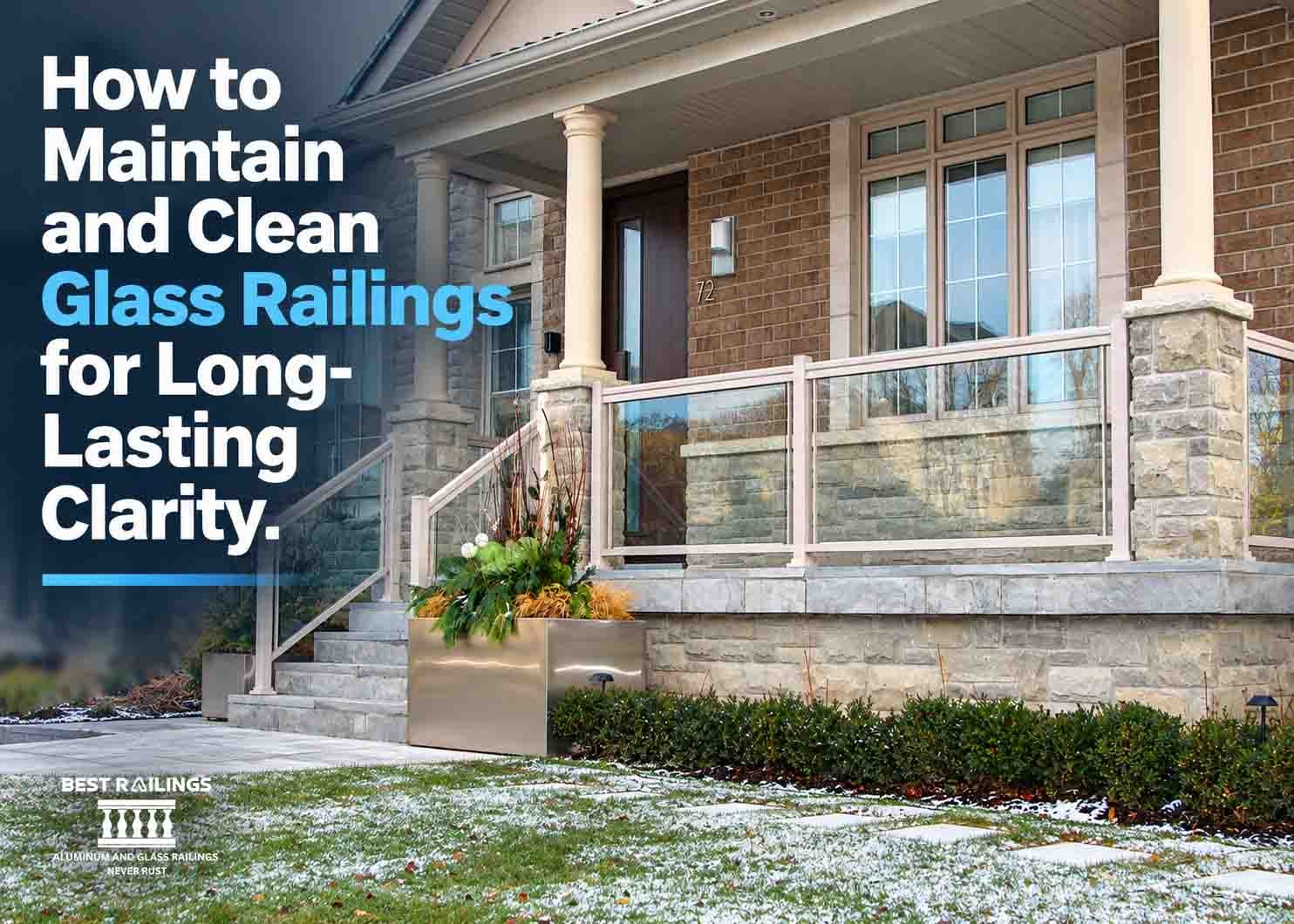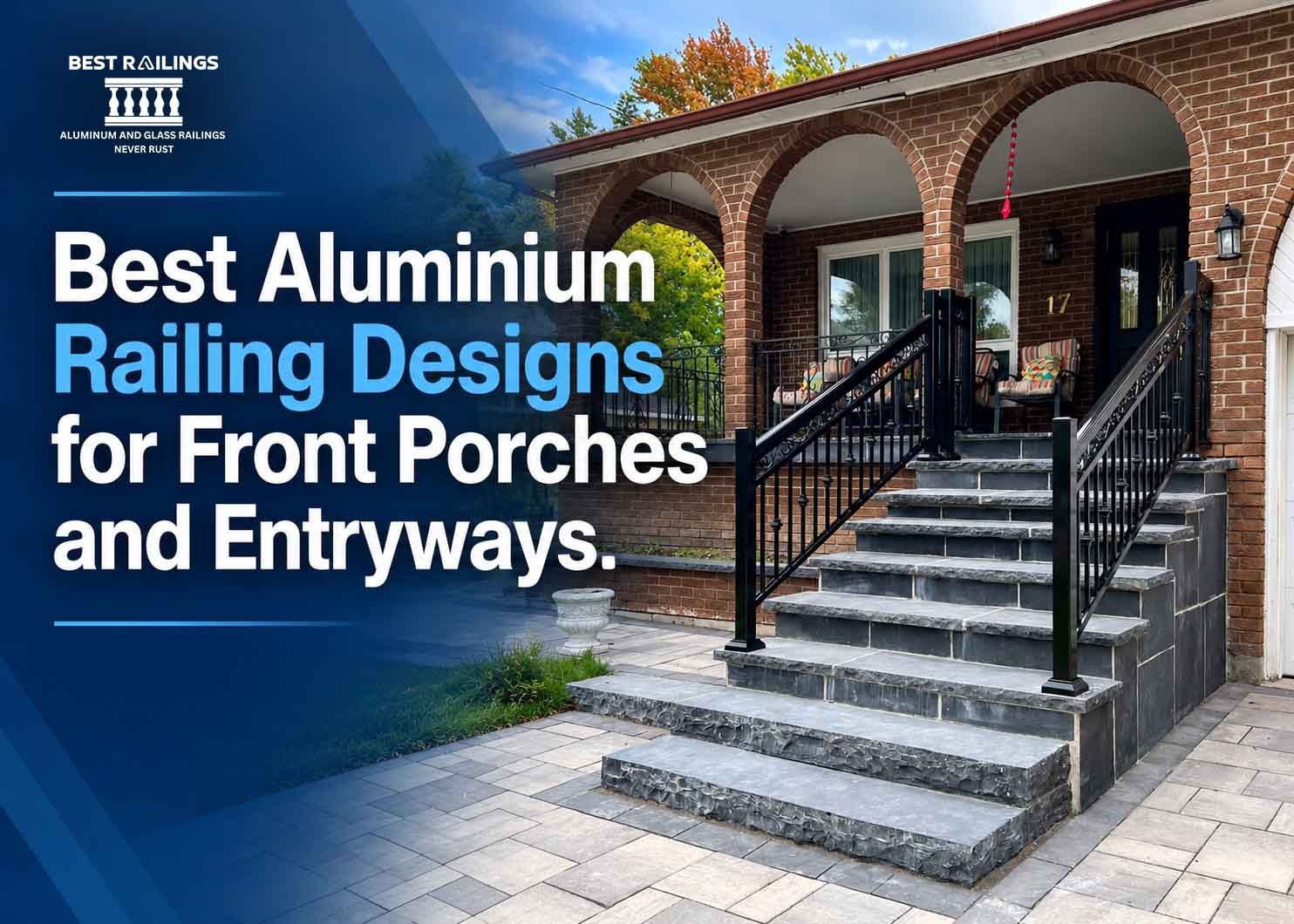
Brampton doesn’t do mild weather. Winters bring real cold, real snow, and enough road salt to strip the finish off anything not built to handle it. Summers swing the other way, with humidity that seeps into wood and sun that bleaches paint and plastic finishes over a season or two. A railing installed here doesn’t get an easy year, ever.
Most homeowners don’t think about this until their railing already shows it, rust bubbling up through paint, wood greying and splitting, a finish that’s chalky by August.
TL;DR: Brampton’s seasonal swings, harsh winters with road salt and freeze-thaw cycles, followed by humid summers, put real stress on outdoor railings. Weather-resistant materials like aluminium handle both extremes without corroding, cracking, or fading, while wood and iron typically need seasonal maintenance to keep up. Installation quality matters too, since even a resistant material can fail early if it’s not anchored and sealed properly.
What Brampton’s Seasons Actually Do to a Railing
Ontario’s seasonal range is wider than a lot of homeowners account for when picking railing material. A railing installed in Brampton needs to handle sub-zero cold, heavy snow load, spring thaw and moisture, summer humidity and UV exposure, and fall’s constant freeze-thaw swings, all in the same twelve months.
Most materials handle one or two of these conditions well and struggle with the rest. Weather resistance means holding up across the whole cycle, not just surviving winter or looking fine in July.
Winter: Freeze-Thaw and Road Salt
Winter is where most railings fail first. Freeze-thaw cycles, water gets into small cracks or joints, freezes, expands, and widens the damage, repeat that dozens of times over a Brampton winter and it adds up fast. Wood splits along the grain. Painted iron chips at the joints, exposing bare metal to moisture.
Road salt makes it worse. Salt tracked up a driveway or splashed onto a deck accelerates corrosion on any unprotected metal, which is why iron railings near driveways or front steps tend to rust first at the base, right where salt collects.
Aluminium doesn’t have this problem. It doesn’t contain iron, so road salt doesn’t corrode it, and it doesn’t absorb moisture the way wood does, so there’s no expansion and cracking from freeze-thaw cycles either.
Spring and Summer: Humidity and UV Exposure
Spring brings moisture back into the picture as snow melts and rain picks up. Humidity carries into summer, and that combination is exactly what wood needs to start rotting from the inside, often before any visible damage shows on the surface.
UV exposure is the other summer factor. Sun bleaches and breaks down standard paint finishes over time, which is why a painted railing that looked sharp in May often looks chalky and faded by the end of August. Powder-coated aluminium resists UV fading far better, holding its colour through a full season of direct sun exposure.
Fall: The Season Most Homeowners Ignore
Fall doesn’t get much attention in this conversation, but it’s arguably the toughest season on a railing. Temperatures swing above and below freezing repeatedly, sometimes within the same week, which means whatever moisture got into a railing over summer is now going through repeated freeze-thaw cycles before winter even fully sets in.
This is when small cracks in wood or paint widen fastest, setting the railing up for worse damage once winter’s cold arrives. A weather-resistant material shrugs this season off entirely, since there’s no moisture absorption or finish cracking to accelerate in the first place.
Why Material Choice Matters More Than People Think
A lot of homeowners assume regular maintenance can offset a weaker material, sealing wood every year, touching up paint on iron. That works, to a point, but it’s a permanent commitment, and missing even one season of upkeep lets damage start that’s hard to reverse.
Aluminium removes that maintenance dependency. Because it doesn’t corrode, rot, or fade the way other materials do, there’s no seasonal window where skipping maintenance causes lasting damage. That’s the real advantage in a climate like Brampton’s, where the weather doesn’t give a railing an easy season to catch up in.
Installation Details That Affect Weather Performance
Material resistance only goes as far as the installation itself. A few details matter as much as the railing material:
- Proper anchoring into framing or concrete, rather than surface mounting, prevents movement that stresses joints over freeze-thaw cycles
- Sealed joints and fasteners stop water from getting into connection points where corrosion or cracking typically starts
- Post spacing suited to snow load, especially for railings along stairs or exposed decks that collect snow
- Drainage consideration at the base of posts, so water doesn’t pool and sit against the material over winter
A weather-resistant material installed poorly will still fail early. Getting both right is what actually delivers the multi-decade performance homeowners expect.
FAQ
Do aluminium railings really hold up through Brampton winters?
Yes. Aluminium doesn’t rust from road salt exposure and doesn’t absorb moisture the way wood does, so it isn’t affected by the freeze-thaw cycles that damage wood and iron railings over a Brampton winter.
How often do outdoor railings need maintenance in Brampton’s climate?
Wood and iron typically need seasonal attention, staining or sealing for wood, rust checks and touch-up painting for iron. Aluminium generally needs only an occasional rinse, with no seasonal maintenance required.
What causes outdoor railings to fail fastest in Ontario winters?
Freeze-thaw cycles combined with road salt exposure are the biggest factors. Materials that absorb moisture or corrode from salt tend to show damage first, usually starting at joints and the base of posts.
Is aluminium railing installation different in winter versus summer?
Installation itself can happen in most seasons, though ground conditions for post anchoring can affect scheduling in the depths of winter. Our team advises on the best timing during the initial consultation.
Can a weather-resistant railing still fail if it’s installed poorly?
Yes. Proper anchoring, sealed joints, and appropriate post spacing all matter for long-term performance, regardless of how resistant the material itself is. Installation quality and material quality both factor into how well a railing holds up.
Conclusion
Brampton doesn’t give a railing an easy year, and the material that holds up through one mild season isn’t necessarily the one that survives the next decade of freeze-thaw cycles, road salt, humidity, and UV exposure. Wood and iron can be maintained through all of it, but that means committing to a yearly routine most homeowners don’t want to keep up with. Aluminium sidesteps the whole cycle by not reacting to any of it in the first place.
If your current railing is already showing what a few Brampton seasons can do, a weather-resistant replacement is worth looking at before another winter adds to the damage. Contact us for a free estimate and a straightforward look at what would actually hold up on your property.