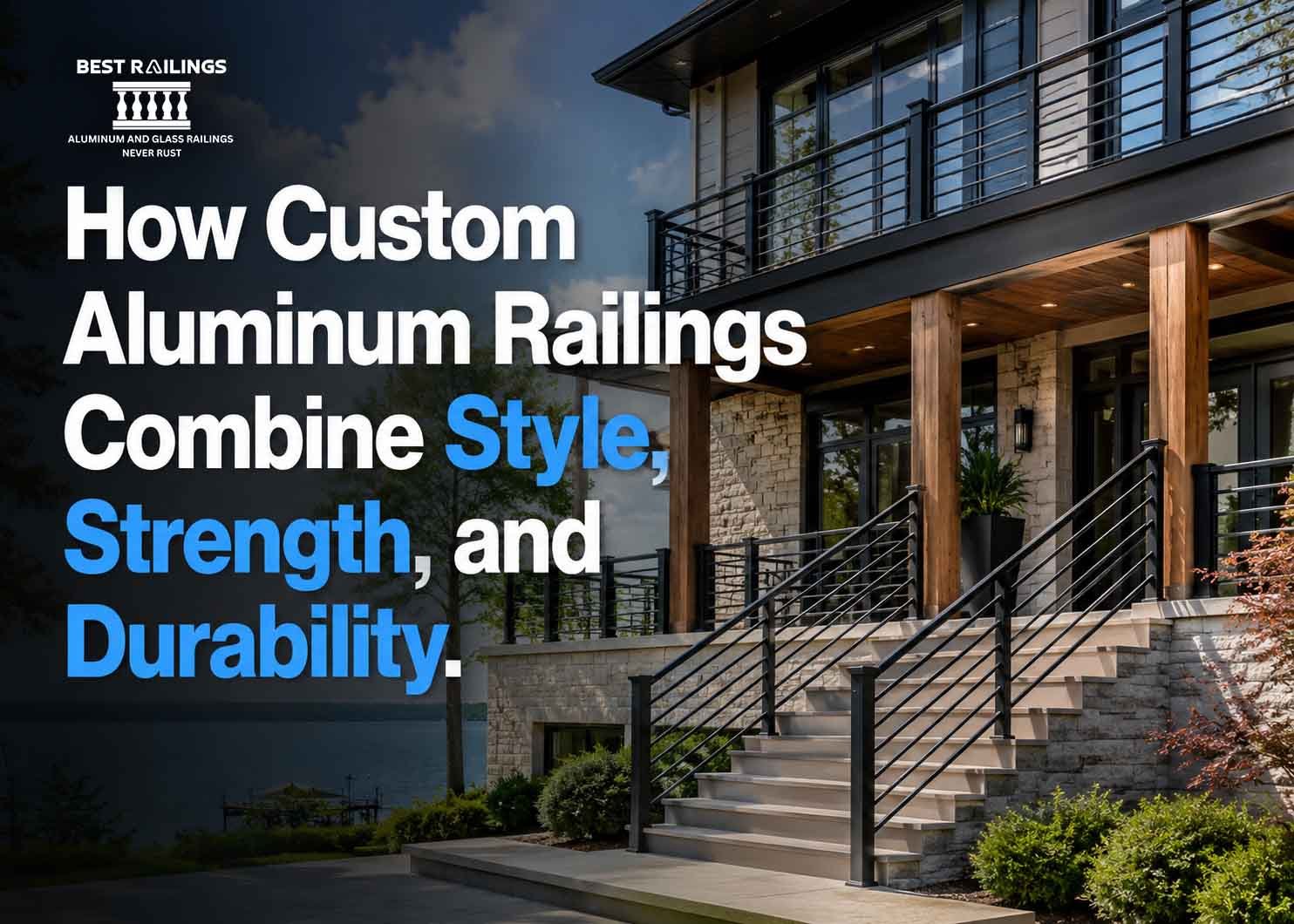
Most people assume a good-looking railing and a strong one are two different purchases. Go stylish and you sacrifice durability. Go sturdy and you’re stuck with something that looks industrial. That trade-off used to be real, back when your main options were wood or wrought iron.
It’s not really true anymore. Custom aluminum railings do both jobs at once, and the reason comes down to the material itself, not just clever design.
TL;DR: Custom aluminum railings combine a clean, modern look with genuine structural strength. The material is lightweight but load-bearing, resists rust and warping, and can be shaped and finished to match almost any design. Unlike wood or iron, you don’t have to choose between how it looks and how long it lasts.
The Usual Trade-Off Between Style and Strength
Wood railings look warm and traditional, but they’re structurally limited. Boards flex, joints loosen over time, and the material weakens as it absorbs moisture season after season. A wood railing that looks great on installation day is already losing strength by year three.
Wrought iron goes the other direction. It’s strong, but heavy, and the design options are narrower. Ornate iron work looks impressive in the right setting, but it doesn’t suit a modern build, and the weight puts real stress on the structure it’s attached to.
Aluminum sidesteps both problems. It’s strong enough to meet code requirements for guard railings, light enough to reduce structural load, and flexible enough in fabrication to support almost any design direction.
What Makes Custom Aluminum Railings Different
The word “custom” is doing real work here. A standard aluminum railing system comes in fixed lengths and fixed styles, built to fit an average staircase or an average deck. Most spaces aren’t average.
Custom aluminum railing systems are measured and built for your specific project; exact rail heights, picket spacing, post placement, and finish. That precision matters structurally, not just visually. A railing that’s built to fit has fewer stress points, fewer gaps that need patching, and fewer joints under unnecessary load.
It also means the finished product looks like it was designed for the space, not adapted to it.
Style: How Much Can You Actually Customize
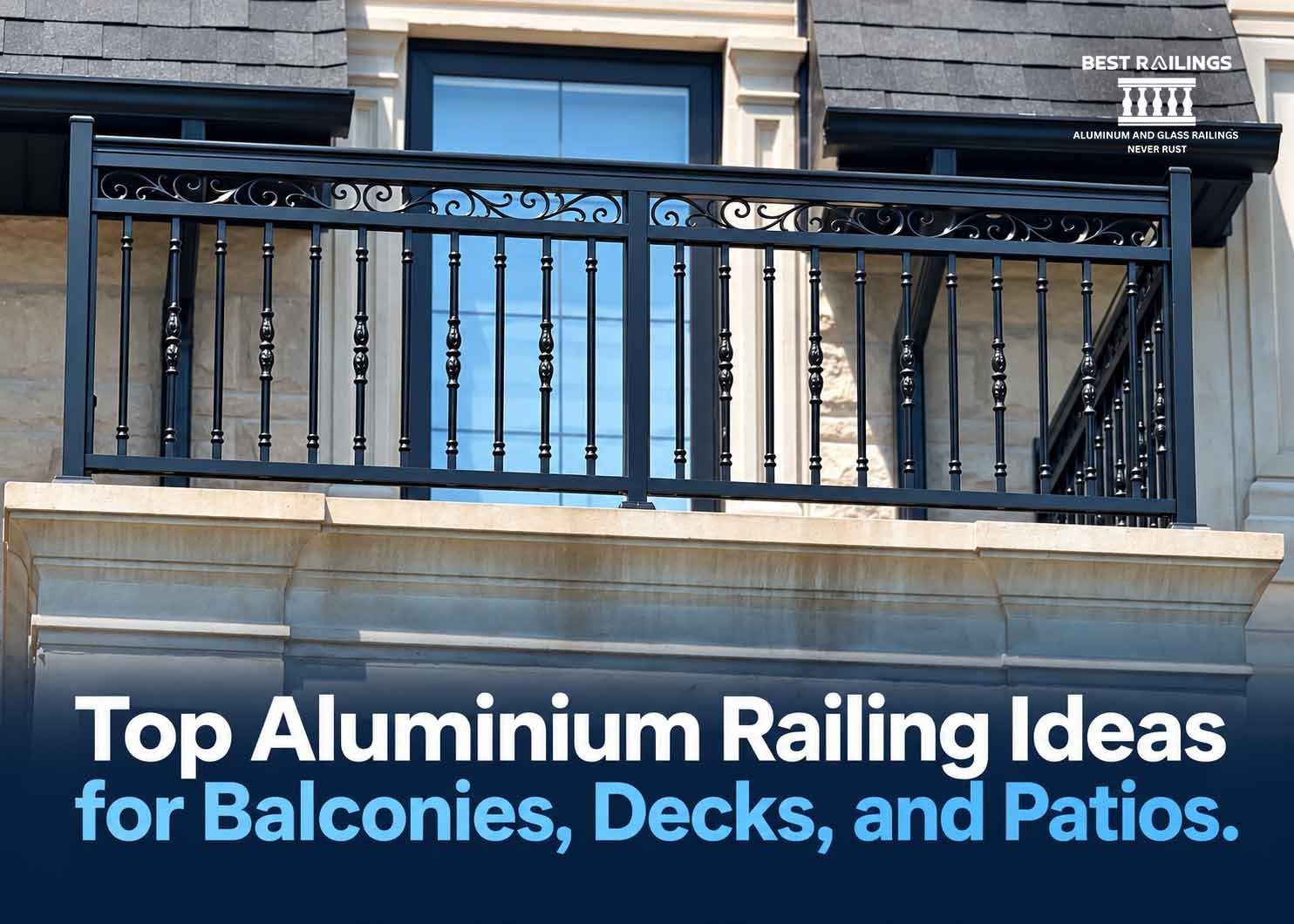
Aluminum takes powder coating well, which opens up a wide colour range beyond the typical black or white most people picture. Matte black, bronze, brushed metallic, and custom colour matches to trim or siding are all realistic options.
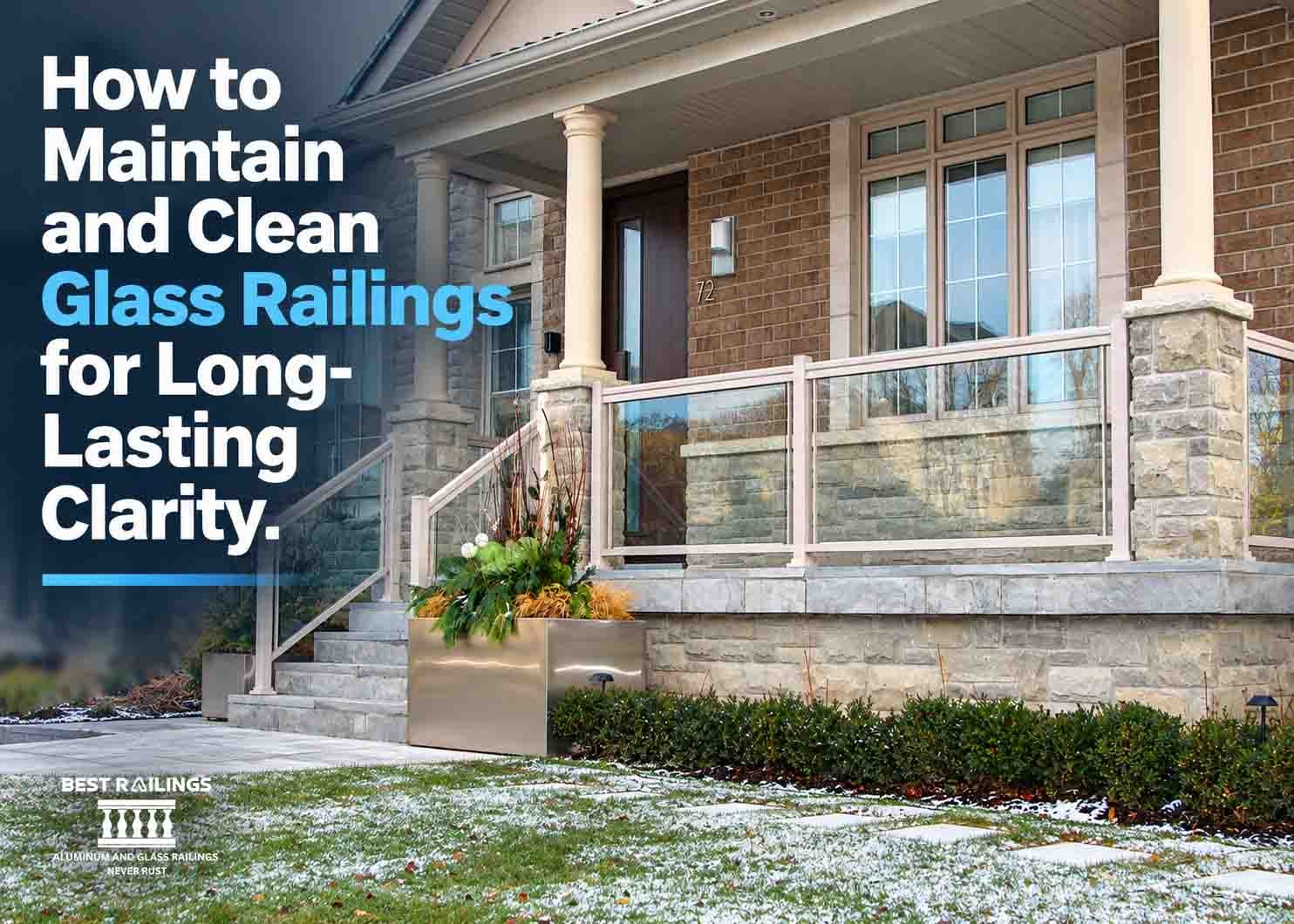
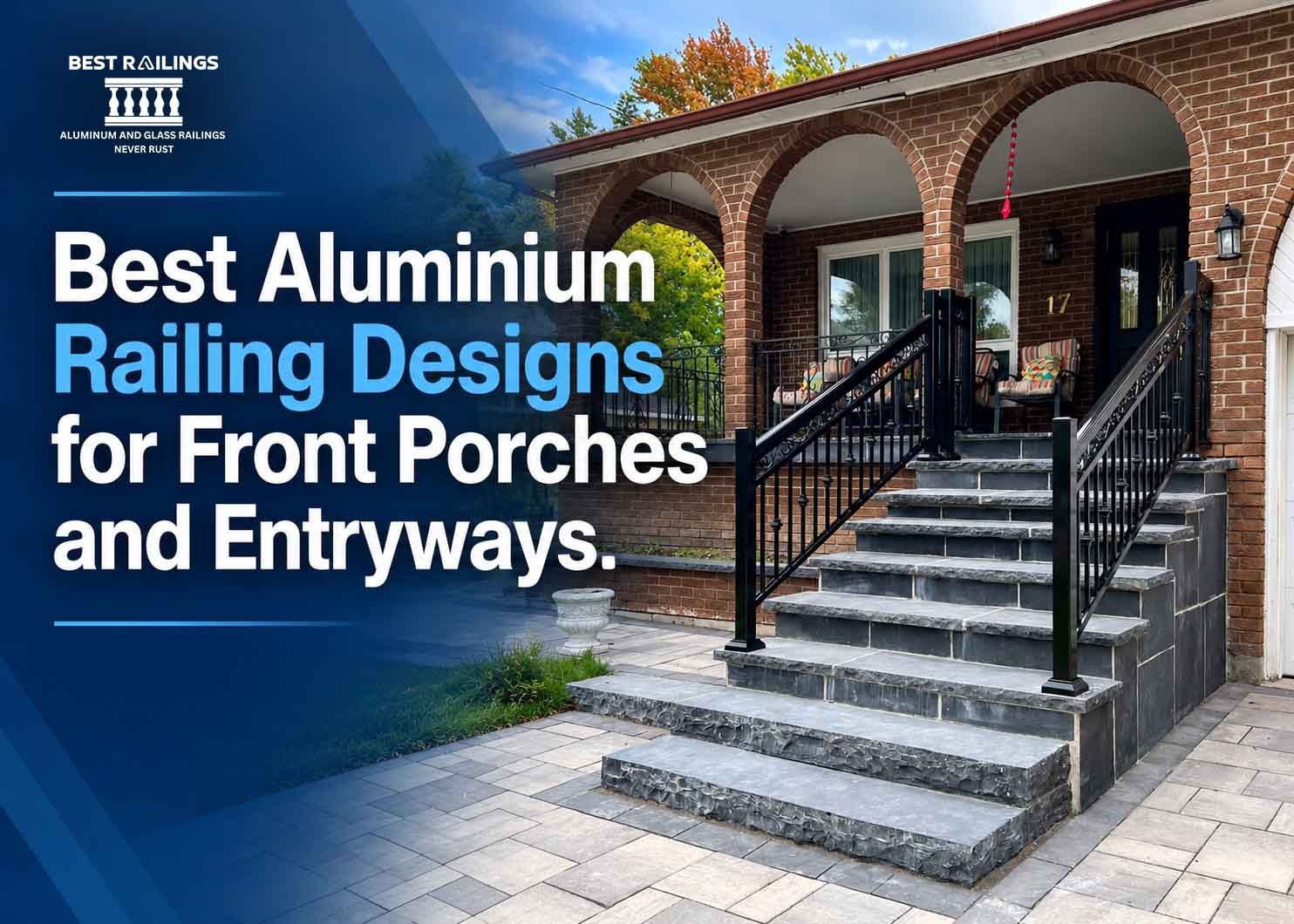
Picket style is just as flexible. Straight verticals give a clean, minimal look. Scroll and decorative patterns work for a more traditional exterior. Open-rail configurations paired with glass panels create an unobstructed view for balconies or rooftop terraces.
We offer a full range of styles, from simple picket designs to detailed scroll patterns, so the railing can match a modern build or a more classic Ontario home without looking out of place either way.
Strength: What Aluminum Can Actually Hold
Aluminum railings are engineered to meet the same load and guard requirements as wood or iron systems, despite weighing significantly less. That lighter weight isn’t a weakness. It reduces the stress placed on the deck, balcony, or staircase structure the railing is attached to, which matters most on older builds or upper-floor balconies where load capacity is already a consideration.
Wall thickness plays a big role here. Thicker-gauge aluminum resists bending and impact far better than thin, budget-grade material. Welded joints, rather than adhesive or basic fasteners, hold up under repeated use without loosening over time.
That combination, lightweight but properly reinforced, is why aluminum railing systems handle both daily wear and structural demands without the bulk of iron.
Durability: Why It Still Looks Good in Year Ten
The real test of any railing isn’t how it looks on day one. It’s how it looks after a decade of Ontario winters. Aluminum doesn’t rust, because it doesn’t contain iron. It doesn’t warp or rot the way wood does when it takes on moisture. And a properly baked powder coat resists chipping and fading far longer than standard paint.
That durability is also why we back our installations with a guarantee of up to 20 years. A railing built well shouldn’t need replacing halfway through that timeline, and ours doesn’t.
Where Custom Aluminum Railings Work Best
Custom aluminum railings suit almost any application, but a few situations make the case especially clear:
- Older homes with structural limits. Lightweight aluminum adds strength without overloading aging framing.
- Modern builds with clean architectural lines. Straight pickets and slim profiles match contemporary design.
- Multi-storey balconies. Reduced weight matters more the higher up you go.
- Irregular staircases or landings. Custom measurement handles angles and transitions that standard kits can’t.
- Commercial properties. Durable metal railings hold up to higher foot traffic with less upkeep than wood.
We work with homeowners, architects, and builders on custom aluminum railings across all of these scenarios, adjusting design and structural specs to fit the project rather than the other way around.
FAQ
Are custom aluminum railings actually stronger than standard ones?
Custom systems are built to your exact structural requirements, which often makes them more secure than standard kits that rely on generic bracing and filler pieces to fit non-standard spaces.
How much does a custom aluminum railing cost compared to a standard one?
Custom railings typically cost more upfront because of the precise measurement and fabrication involved, but they reduce long-term issues like gaps, loose joints, and premature wear that come with forcing a standard system into a non-standard space.
Can aluminum railings match a specific paint colour or finish?
Yes. Powder coating allows for a wide range of finishes, including custom colour matching, so the railing can align with existing trim, siding, or brand colours for commercial properties.
Do custom aluminum railings meet Ontario building code?
Yes. Our custom systems are designed to meet local rail height and picket spacing requirements for both residential and commercial installations.
How long does it take to design and install a custom aluminum railing?
Timelines vary by project scope, but most residential installations move from consultation to completed install within a few weeks, including measurement, fabrication, and installation.
Conclusion
If you want a railing that looks intentional and holds up structurally for decades, custom aluminum is the material built to deliver both. Contact us for a free estimate and see what a design built specifically for your space looks like.