
Objective
This guide explains how aluminium railing installation works in Ontario, what homeowners should check before starting, and how to choose the right railing system for decks, balconies, porches, and stairs.
Key Takeaways
- Aluminium railing installation Ontario homeowners choose should be planned around weather, safety, layout, and long-term maintenance.
- Aluminium railings are commonly used for decks, balconies, porches, stairs, patios, and front entrances.
- The right system depends on post placement, railing height, finish, material combination, and installation surface.
- Ontario aluminium railings need to handle snow, rain, freeze-thaw cycles, humidity, and daily use.
- Professional installation helps prevent loose posts, poor alignment, unsafe stair sections, and early repair costs.
Table Of Contents
- Why Aluminium Railings Are Common In Ontario
- What Aluminium Railing Installation Includes
- Where Aluminium Railing Systems Ontario Homeowners Use Most
- Step-By-Step Aluminium Railing Installation Process
- What To Check Before Installation Starts
- Aluminium Railings Vs Other Railing Materials
- Cost Factors For Aluminium Railing Installation
- FAQs
- Final Word
A railing project usually starts with a simple problem. An old wood railing is loose. A porch no longer feels safe. A deck looks unfinished. A balcony needs a cleaner barrier that does not block the view.
That is where aluminium railing installation Ontario homeowners often consider becomes a practical upgrade. Aluminium is strong, clean-looking, and easier to maintain than wood or older metal railing systems.
The best result comes from choosing the right railing style, measuring the space properly, and installing the system with the home’s structure and Ontario weather in mind.
Why Aluminium Railings Are Common In Ontario
Ontario homes deal with heavy weather changes. A railing may face snow in January, rain in April, direct sun in July, and freezing temperatures again by November.
Those changes are hard on exterior materials.
Wood can swell, crack, rot, or need staining. Iron can rust when the coating wears down. Poor-quality railing systems can loosen when moisture reaches weak fasteners or mounting points.
Aluminium is a strong fit because it resists rust and does not absorb moisture. It also does not need sanding, staining, or repainting every season.
For homeowners, this means less maintenance and fewer visible signs of wear. A well-installed aluminium railing can keep decks, porches, and stairs looking finished with basic cleaning.
Best Railings provides Aluminium Railing Installation in Ontario for residential spaces where safety, appearance, and weather resistance need to work together.
What Aluminium Railing Installation Includes
Aluminium railing installation is not only about placing posts and attaching rails.
A proper installation includes measuring, planning, surface review, post layout, cutting, fastening, leveling, and final inspection. Each step affects safety and appearance.
Most aluminium railing systems include:
- Posts
- Top rails
- Bottom rails
- Pickets or glass panels
- Base plates
- Brackets
- Fasteners
- Gates or privacy panels where needed
The installer must understand where the railing will be used. A stair railing needs a different layout than a flat deck railing. A balcony may need stronger planning around height and attachment. A front porch railing must be secure while still matching the home’s exterior.
Small details matter. If the posts are not straight, the whole railing looks off. If the base is weak, the railing may move over time. If stair sections are measured poorly, the railing can feel uncomfortable to use.
Where Aluminium Railing Systems Ontario Homeowners Use Most
Aluminium railing systems Ontario homeowners choose are used in many parts of the property. Each area has different needs.
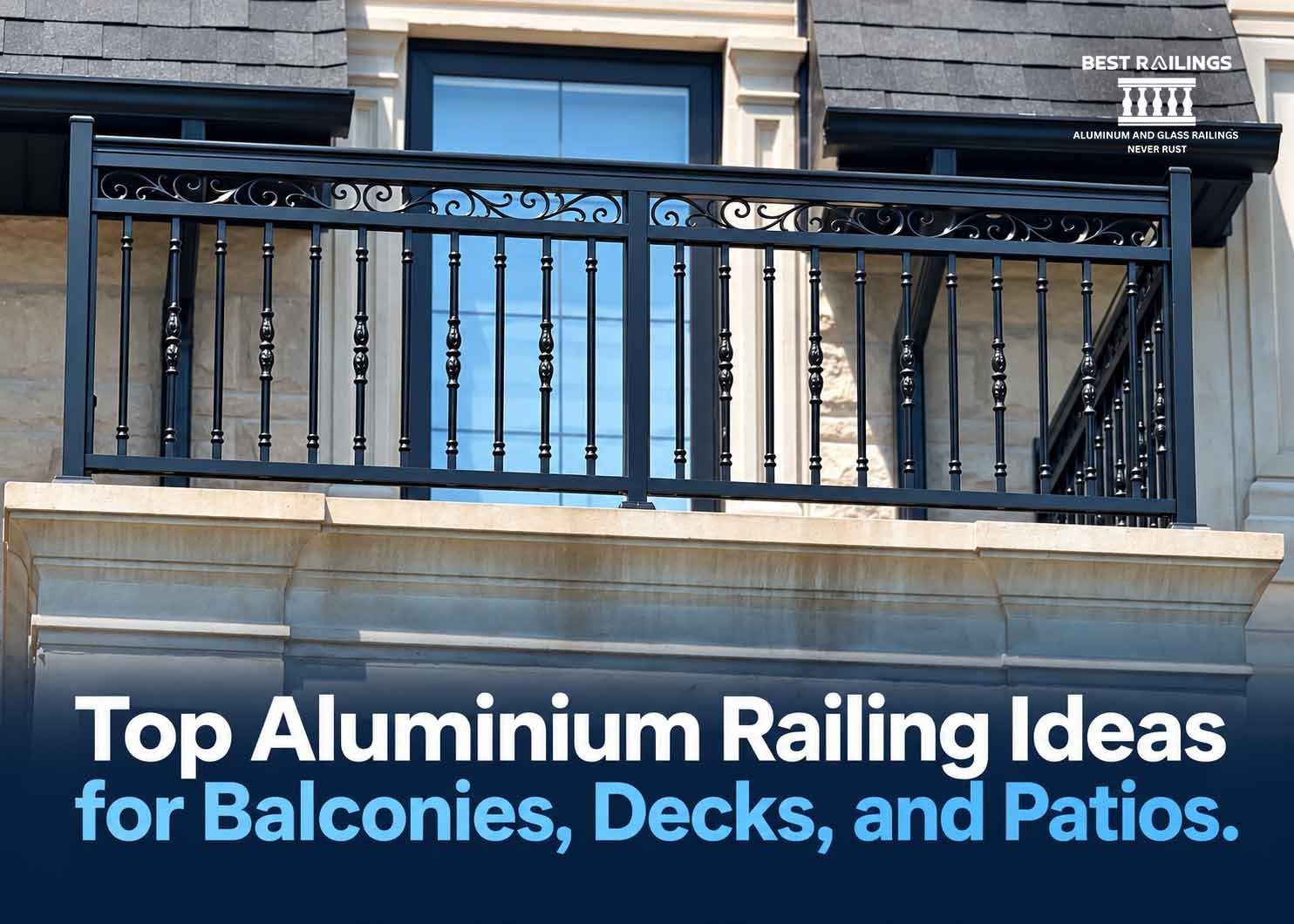
Deck Railings
Deck railings protect open edges and help define the outdoor living space. Aluminium works well here because decks are exposed to rain, snow, sunlight, furniture movement, and daily use.
For backyard decks, homeowners often choose picket railings for a simple look or glass panels where they want a clearer view.
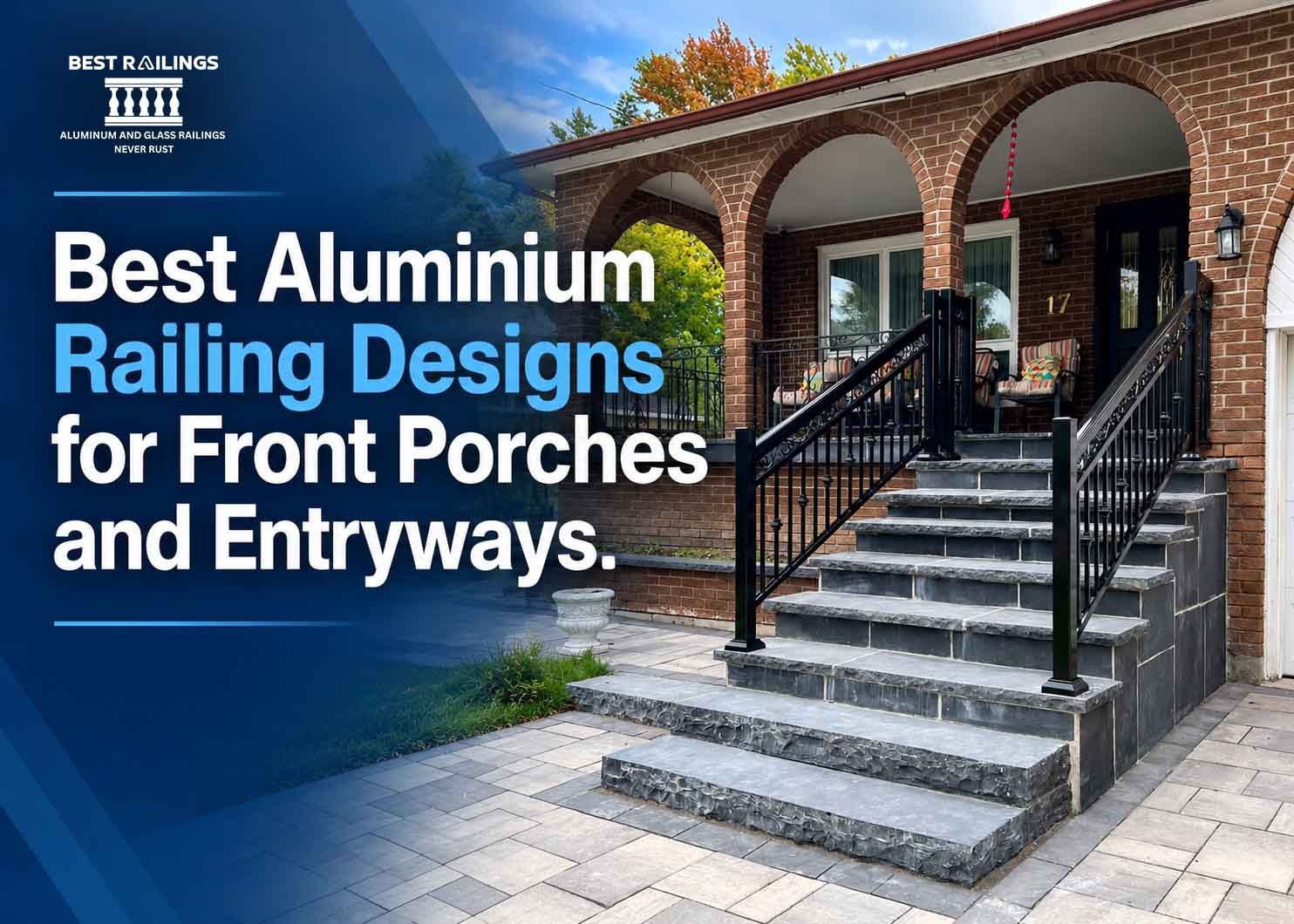
Porch Railings
Porch railings affect both safety and curb appeal. A clean aluminium railing can make the front entrance feel safer and more finished.
This is especially useful for older homes where the porch railing has started to move, peel, or look dated.
Balcony Railings
Balconies need secure railing systems because they sit above ground level. Aluminium is commonly used with glass panels for a modern look and better visibility.
This works well for homes with backyard views, upper-level walkouts, or terrace-style spaces.
Stair Railings
Exterior stairs need reliable support. During winter, steps can become slippery, and a steady railing becomes more than a visual feature.
Aluminium stair railings should be measured carefully so the handrail follows the slope correctly and feels natural to use.
Patios And Walkways
Some homeowners use aluminium railings to frame patios, garden areas, side entrances, or walkways. This can create separation without making the outdoor area feel closed in.
Step-By-Step Aluminium Railing Installation Process
A complete guide to aluminium railing installation should include the actual process. Homeowners do not need to know every technical detail, but they should understand what proper work looks like.
1. Site Review
The installer reviews the deck, porch, balcony, stair, or concrete surface. This step checks whether the structure can support the railing.
Old wood, cracked concrete, loose steps, or damaged surfaces may need repair before installation starts.
2. Measurements
Accurate measurements are taken for straight runs, corners, stairs, landings, and openings. This prevents uneven spacing and poor railing alignment.
Measurements also help decide how many posts, rails, pickets, or panels are needed.
3. Railing Style Selection
The homeowner chooses the railing style, finish, and any added features. Common options include aluminium pickets, glass panels, gates, privacy panels, columns, and different top rail profiles.
Best Railings offers Styles & Accessories for homeowners who want the railing to match the property instead of looking like a standard add-on.
4. Post Placement
Post placement affects strength and appearance. Posts must be spaced properly and fixed to strong points.
Poor post placement can lead to movement, uneven lines, and weak sections.
5. Cutting And Fitting
Rails, pickets, or panels are cut and fitted according to the layout. Stair sections need extra care because the angle must match the steps.
This is where rushed work often shows. Bad cuts and uneven gaps can make a new railing look poorly finished.
6. Fastening And Leveling
The system is secured using suitable fasteners and hardware. The installer checks that posts are straight, rails are level, and stair sections follow the correct slope.
The railing should feel firm once installed. It should not shake, rattle, or shift during normal use.
7. Final Check
The final check includes alignment, fasteners, finish condition, spacing, gates if included, and overall appearance.
A good railing should look clean from close up and from the street.
What To Check Before Installation Starts
Homeowners should not choose a railing system only by looking at pictures.
The right choice depends on the property and how the space is used.
Before installation, check these points:
- Is the railing for a deck, porch, balcony, stair, or patio?
- Is the surface wood, concrete, stone, or another material?
- Is the existing structure strong enough?
- Do you want pickets, glass, or a combination?
- Do you need a gate or privacy panel?
- What colour works with the home exterior?
- Will the railing block a view?
- Are there stairs or uneven areas?
- Will old railing removal be needed?
These questions help avoid mistakes.
For example, a glass railing may look right on a raised deck with a backyard view, but aluminium pickets may be more practical for a front porch where privacy and durability matter more.
A professional installer can help narrow the options based on the real site, not just a catalogue photo.
Aluminium Railings Vs Other Railing Materials
Ontario aluminium railings are popular because they offer a balanced mix of durability, appearance, and low maintenance.
Here is how aluminium compares with common railing materials.
| Material | Main Strength | Main Concern | Best Use |
| Aluminium | Low maintenance and weather resistance | Needs proper installation for long-term stability | Decks, porches, balconies, stairs |
| Wood | Traditional look | Rot, staining, cracking, repainting | Rustic decks and older homes |
| Iron | Decorative appearance | Rust risk if coating fails | Front entrances and classic designs |
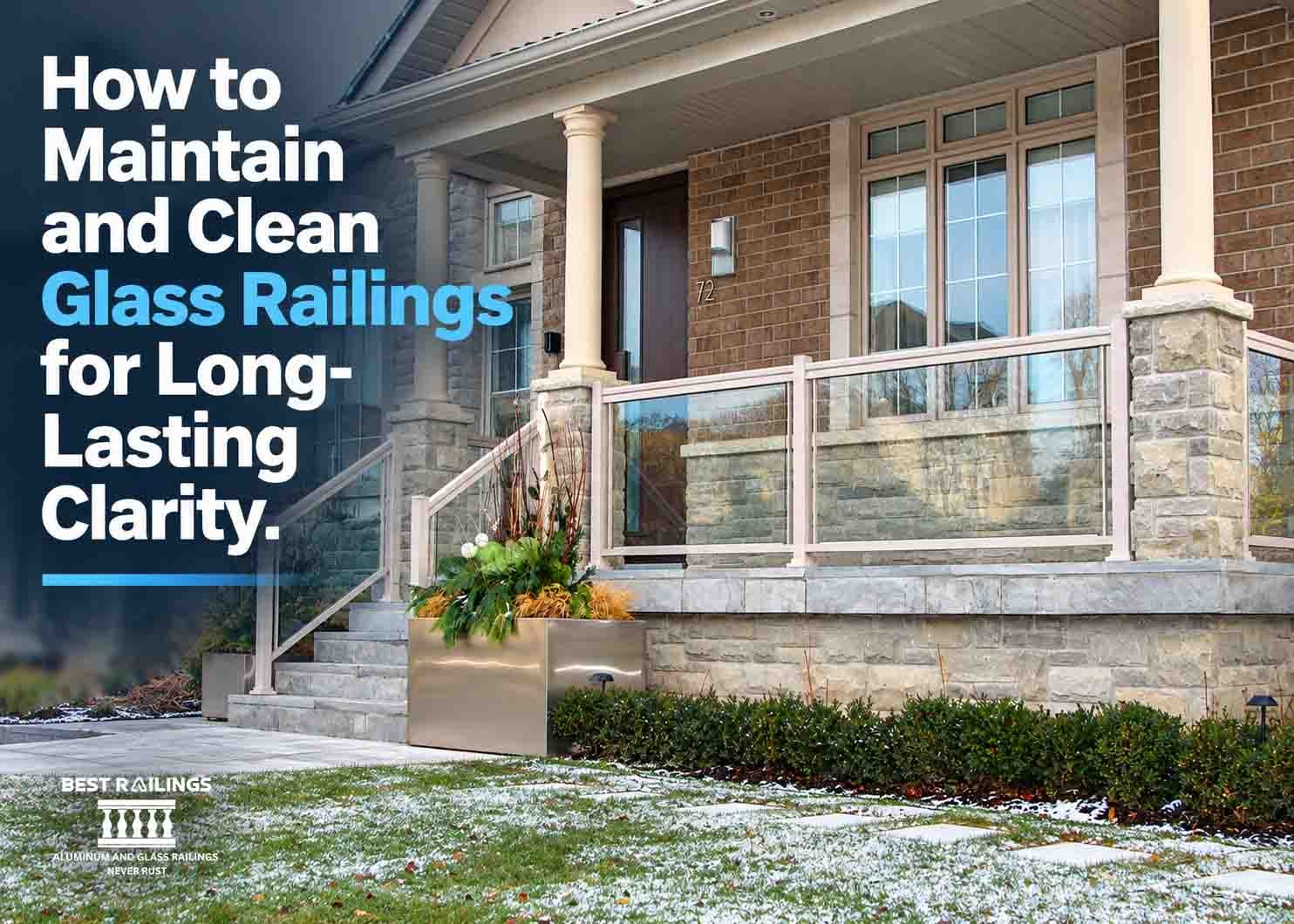
| Glass | Clear view and modern style | Needs frequent cleaning | Balconies, terraces, view-facing decks |
| Aluminium With Glass | Strength with open visibility | Higher cost than basic pickets | Modern decks and balconies |
Wood still works for some homes, but it needs care. Iron can look strong, but rust is a common issue over time. Glass looks clean, but it shows marks and water spots.
Aluminium gives homeowners a practical middle ground. It looks clean, handles weather well, and does not create a heavy maintenance routine.
Cost Factors For Aluminium Railing Installation
The cost of aluminium railing installation in Ontario depends on the size and complexity of the project.
A small porch railing is usually simpler than a full deck with stairs, corners, gates, and glass sections. A balcony railing may need more careful access and planning. Old railing removal can also add time.
Main cost factors include:
- Total railing length
- Number of posts
- Stair sections
- Glass panels or pickets
- Finish and style
- Gates or privacy panels
- Surface condition
- Removal of old railing
- Layout complexity
- Site access
The cheapest quote is not always the best choice. Poor installation can lead to loose posts, uneven sections, and early repairs.
A better approach is to request a clear estimate based on actual measurements, photos, and project details. That gives the homeowner a more realistic price and fewer surprises.
Best Railings highlights budget-friendly railing solutions, a guarantee of up to 20 years, and more than 400 completed projects. Those details matter when comparing Ontario railing companies because they show the company has handled a wide range of residential and commercial projects.
FAQs
How long does aluminium railing installation take?
A small porch or stair railing may take less time than a large deck or balcony project. The timeline depends on measurements, railing style, site condition, and whether old railings need to be removed.
Can aluminium railings be installed on an existing deck?
Yes, but the deck must be strong enough to hold the railing posts. If the surface is weak, rotted, or loose, repairs may be needed before installation.
Are aluminium railings good for stairs?
Yes. Aluminium railings work well for exterior stairs because they are strong, weather resistant, and easy to maintain. The stair section must be measured correctly so the railing follows the slope.
Do aluminium railings need repainting?
Most aluminium railings do not need regular repainting. Basic cleaning is usually enough to keep them looking neat.
Can I choose glass panels with aluminium posts?
Yes. Many homeowners choose aluminium with glass panels for balconies, terraces, and decks where they want safety without blocking the view.
Final Word
Aluminium railing installation is a smart upgrade for Ontario homes when the system is measured, planned, and installed properly.
The material handles local weather well. It works on decks, balconies, porches, stairs, patios, and entrances. It also gives homeowners a clean look without the maintenance problems that often come with wood or older metal railings.
To plan your project, contact Best Railings and request an estimate for your home. Share your location, photos, measurements, and the area where you need railing installation.